%2Ffit-in%2F250x250%2Fguide_websites%2F9782%2Fimages%2F1743944780610charley-black-logo-for-website.png&w=1920&q=100)
/users/c7c40047-ed1c-49b1-87ed-11c0528f7522/ratecard/1ba99253-a8d0-4f7d-9248-999668b70b4f.jpg)
%2F300x300%2Fusers%2Fc7c40047-ed1c-49b1-87ed-11c0528f7522%2Fratecard%2F1ba99253-a8d0-4f7d-9248-999668b70b4f.jpg&w=256&q=75)
%2F300x300%2Fusers%2Fc7c40047-ed1c-49b1-87ed-11c0528f7522%2Fimages%2Fstunning-coastal-scenery-2352.jpg&w=256&q=75)
%2F300x300%2Fusers%2Fc7c40047-ed1c-49b1-87ed-11c0528f7522%2Fimages%2Fatlantic-sailfish-caught-florida-3011.jpg&w=256&q=75)
%2F300x300%2Fusers%2Fc7c40047-ed1c-49b1-87ed-11c0528f7522%2Fimages%2Ffishing-adventure-florida-2928.jpg&w=256&q=75)
%2F300x300%2Fusers%2Fc7c40047-ed1c-49b1-87ed-11c0528f7522%2Fimages%2Fmutton-snapper-catch-fl-3089.jpg&w=256&q=75)
%2F300x300%2Fusers%2Fc7c40047-ed1c-49b1-87ed-11c0528f7522%2Fimages%2Fyellowfin-tuna-caught-fl-2798.jpg&w=256&q=75)
%2F300x300%2Fusers%2Fc7c40047-ed1c-49b1-87ed-11c0528f7522%2Fimages%2Fblackfin-tuna-jensen-beach-2955.jpg&w=256&q=75)
%2F300x300%2Fusers%2Fc7c40047-ed1c-49b1-87ed-11c0528f7522%2Fimages%2Fmutton-snapper-jensen-beach-3030.jpg&w=256&q=75)
%2F300x300%2Fusers%2Fc7c40047-ed1c-49b1-87ed-11c0528f7522%2Fimages%2Fhuge-horse-eye-jack-fishing-3107.jpg&w=256&q=75)
%2F300x300%2Fusers%2Fc7c40047-ed1c-49b1-87ed-11c0528f7522%2Fimages%2Fgiant-trevally-jensen-beach-2974.jpg&w=256&q=75)
%2F300x300%2Fusers%2Fc7c40047-ed1c-49b1-87ed-11c0528f7522%2Fimages%2Fgrey-snapper-jensen-beach-2954.jpg&w=256&q=75)
6hr Inshore Fishing with Charleys Charters
 Jensen Beach
What you will be catching:
 Snook
Snook Tarpon
 Sheepshead
 Sea Trout
 Crevalle Jack
- 6-hour inshore fishing trip targeting five premium species
- Expert captain provides proven techniques and prime fishing locations
- Suitable for all skill levels with hands-on learning experience
Trip Pricing and Availabilities:
6-Hour Inshore Fishing with Charley's Charters
Ready to spend a solid day on the water chasing some of the most exciting inshore species around? This 6-hour fishing adventure with Charley's Fishing Charters puts you right in the action, targeting everything from hard-fighting snook to crafty sheepshead. Captain Charley knows these waters like the back of his hand and he's got the proven techniques to help you connect with fish whether you're picking up a rod for the first time or you've been at this for years. This isn't just about dropping a line and hoping for the best – you'll learn the tricks that separate the pros from the weekend warriors. Pack your energy and get ready for a day that'll have you planning your next trip before you even get back to the dock.
What to Expect on the Water
Your 6-hour inshore adventure kicks off bright and early, giving you prime time to work the most productive spots before the afternoon heat sends fish deeper. Captain Charley runs a tight ship but keeps things relaxed – this is about having fun while putting fish in the boat. With just one angler on board, you get his full attention and personalized instruction tailored to your skill level. The boat stays in protected waters where the action is consistent and the ride is comfortable, perfect for focusing on your technique rather than fighting seasickness. You'll move between different structures and cover types throughout the day, from grass flats where trout hang out to mangrove shorelines that hold snook. Each spot requires different approaches, and Charley walks you through the why behind every decision so you're not just catching fish today – you're building skills for future trips.
Techniques and Tackle
Inshore fishing is all about reading the water and matching your presentation to what the fish want right now. Captain Charley brings a full arsenal of tackle and techniques, from live bait fishing around structure to artificial lures that trigger reaction strikes. You'll work with everything from soft plastics that mimic shrimp and baitfish to topwater plugs that create explosive surface strikes. The key is staying versatile – what worked on snook an hour ago might not fool the sheepshead you're targeting now. Charley teaches you how to feel the difference between a fish pickup and bottom contact, how to set the hook properly for different species, and when to adjust your retrieve speed based on water temperature and clarity. Light spinning tackle keeps the fight exciting while giving you enough backbone to turn fish away from cover. Don't worry about bringing gear – everything's provided and maintained to tournament standards.
Top Catches This Season
Snook are the crown jewel of inshore fishing, and for good reason. These ambush predators hang around docks, bridges, and mangrove edges where they can dart out to crush baitfish. They're incredibly structure-oriented, so accurate casting is crucial – get your lure within a foot of that piling and you might get hammered immediately. Snook are seasonal spawners that move to different areas throughout the year, and Charley knows exactly where to find them based on water temperature, tide, and time of day. The fight is what hooks most anglers – they'll make powerful runs toward cover and leap clear of the water trying to throw your hook. Landing a slot snook feels like winning the lottery, especially when it comes on a perfectly placed cast.
Sheepshead might be the craftiest fish you'll target all day. These black-and-white striped thieves are famous for stealing bait without getting hooked, earning them the nickname "convict fish." They hang around any structure with barnacles, crabs, and shellfish – their preferred menu items. Catching sheepshead requires finesse and patience. You'll use small hooks, light line, and just enough weight to get your bait down while maintaining sensitivity. The bite feels like a gentle tap-tap, and you need to set the hook immediately or they'll clean you out. But when you connect, sheepshead fight harder than their reputation suggests, making strong runs and using their flat body shape to create maximum resistance.
Tarpon bring the big-game experience to inshore waters. Even juvenile tarpon in the 20-50 pound range will test your drag and your nerves with their aerial displays. These silver kings are famous for walking on their tails when hooked, often throwing the hook during their acrobatic performances. Tarpon fishing requires heavier tackle and strong nerves – when a 40-pound fish explodes out of the water three feet from the boat, you'll understand why they call this the ultimate inshore challenge. They're most active during warmer months and often travel in schools, so when you find one, there are usually more around. The key is keeping steady pressure without pulling too hard – tarpon have bony mouths that don't hold hooks well.
Sea trout are the bread and butter of inshore fishing, providing consistent action when other species are being finicky. These spotted beauties relate to grass flats, channel edges, and deeper potholes where they feed on shrimp and small baitfish. Trout have soft mouths, so a gentle hookset and steady pressure work better than trying to horse them in. They respond well to both live and artificial baits, making them perfect for practicing different techniques. The bigger "gator" trout are much more selective and usually hold in specific spots that produce year after year. When you connect with a 5-pound trout on light tackle, you'll appreciate why they're such a popular target – the fight is spirited but manageable, and they're excellent table fare.
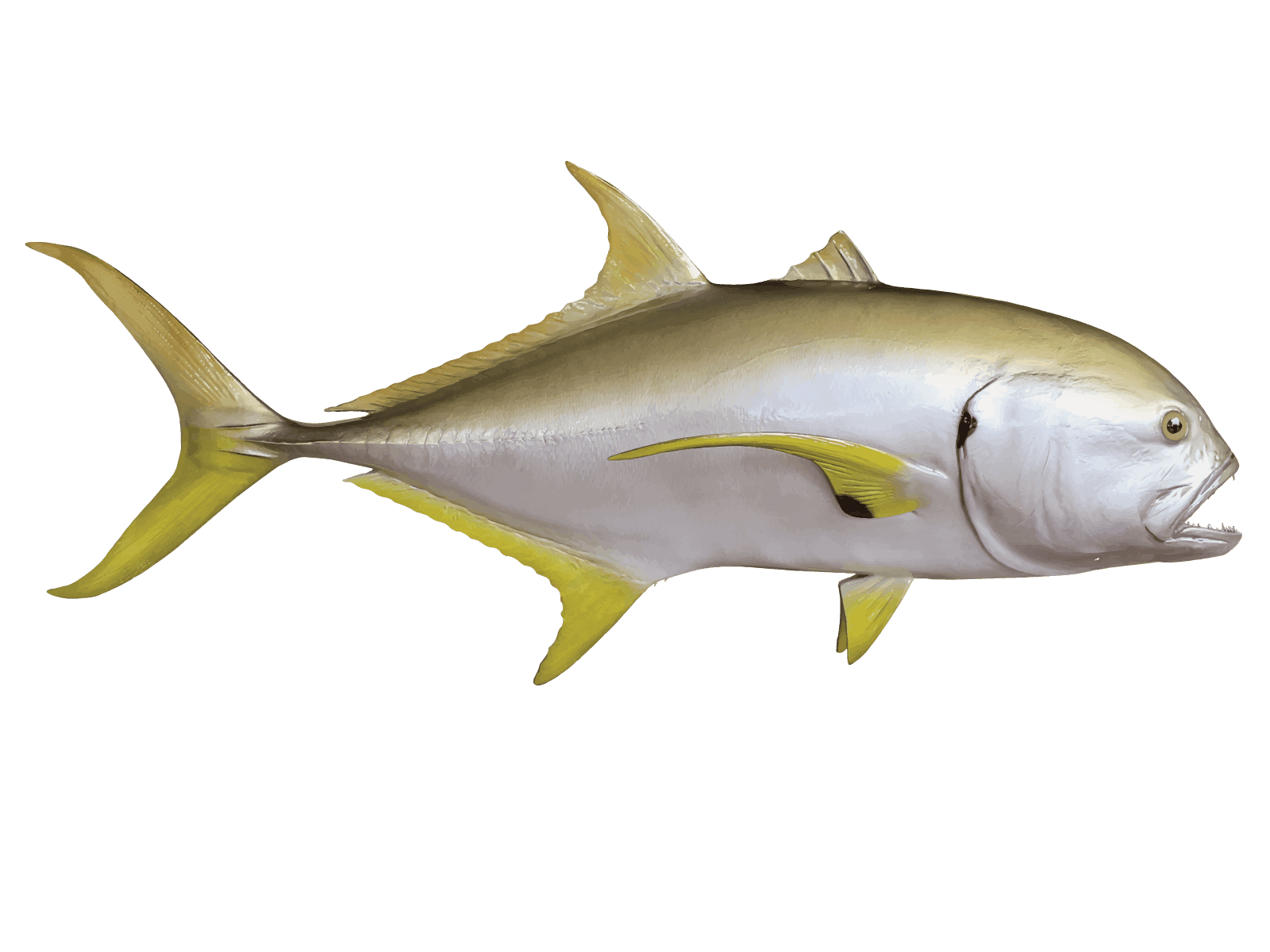
Crevalle Jack might not win any beauty contests, but they'll give you an arm workout you won't forget. These bulldogs of the inshore waters travel in schools and attack baitfish with incredible aggression. When you hook a jack, get ready for a sustained fight – they don't jump like tarpon or make short powerful runs like snook. Instead, they just pull hard and steady, testing your tackle and your endurance. Jacks are found around structure and in open water, often betraying their location by driving baitfish to
Learn more about the species
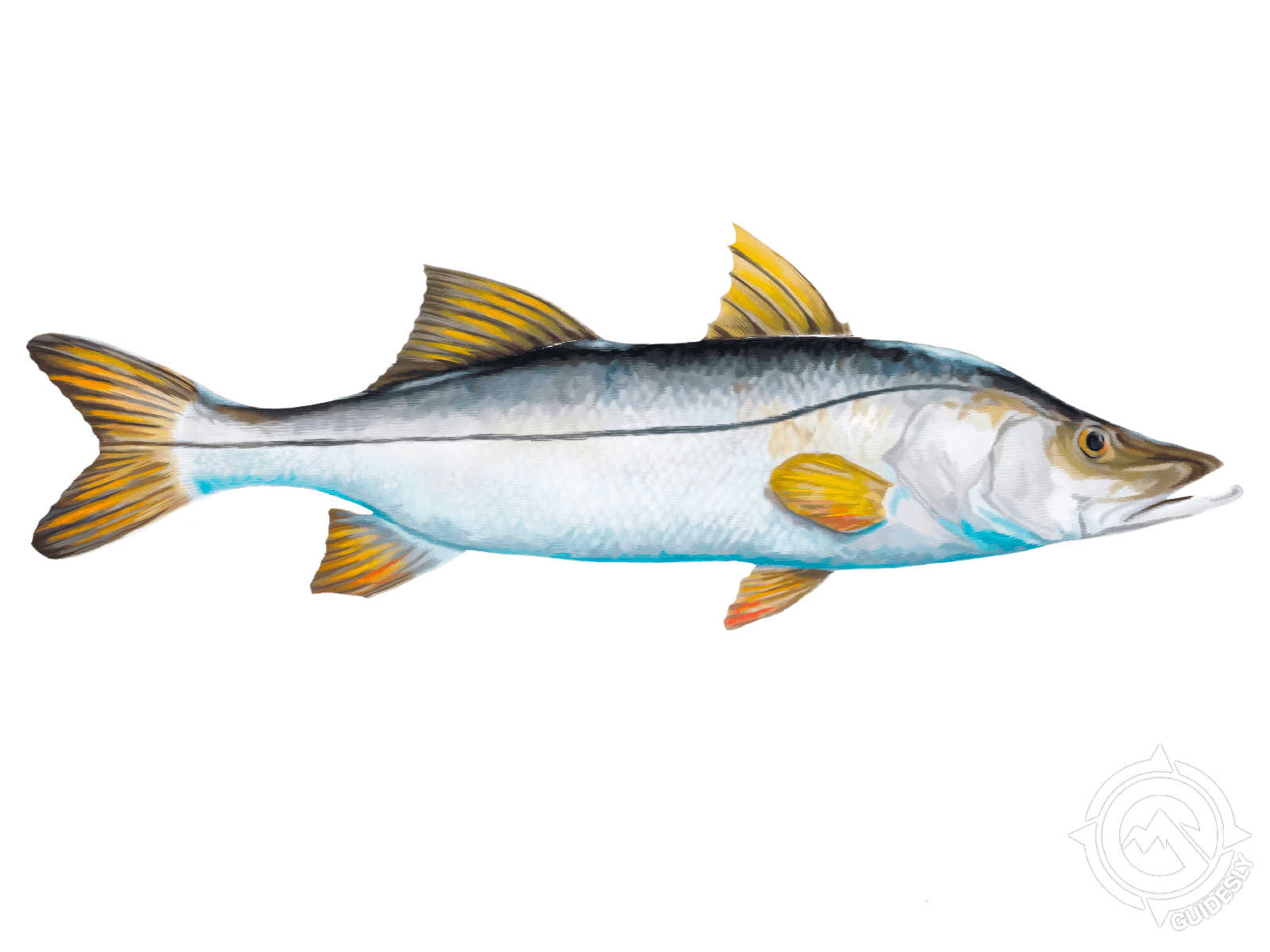
Snook
Snook are one of our most popular targets and for good reason. These sleek, golden fish with that distinctive black lateral line typically run 1-3 feet long, though we've seen some real monsters over 40 inches. They love structure - mangroves, docks, bridges - anywhere they can ambush prey like mullet and shrimp. You'll find them in both salt and fresh water, which makes them pretty unique. Spring through fall are prime times, especially around new and full moons when they're spawning. What makes snook special is their explosive fight and those acrobatic jumps when hooked. They're also excellent table fare with firm, white meat. My go-to tip: get your bait as close to structure as possible without hanging up. Snook rarely venture far from cover, so precision casting pays off big time.
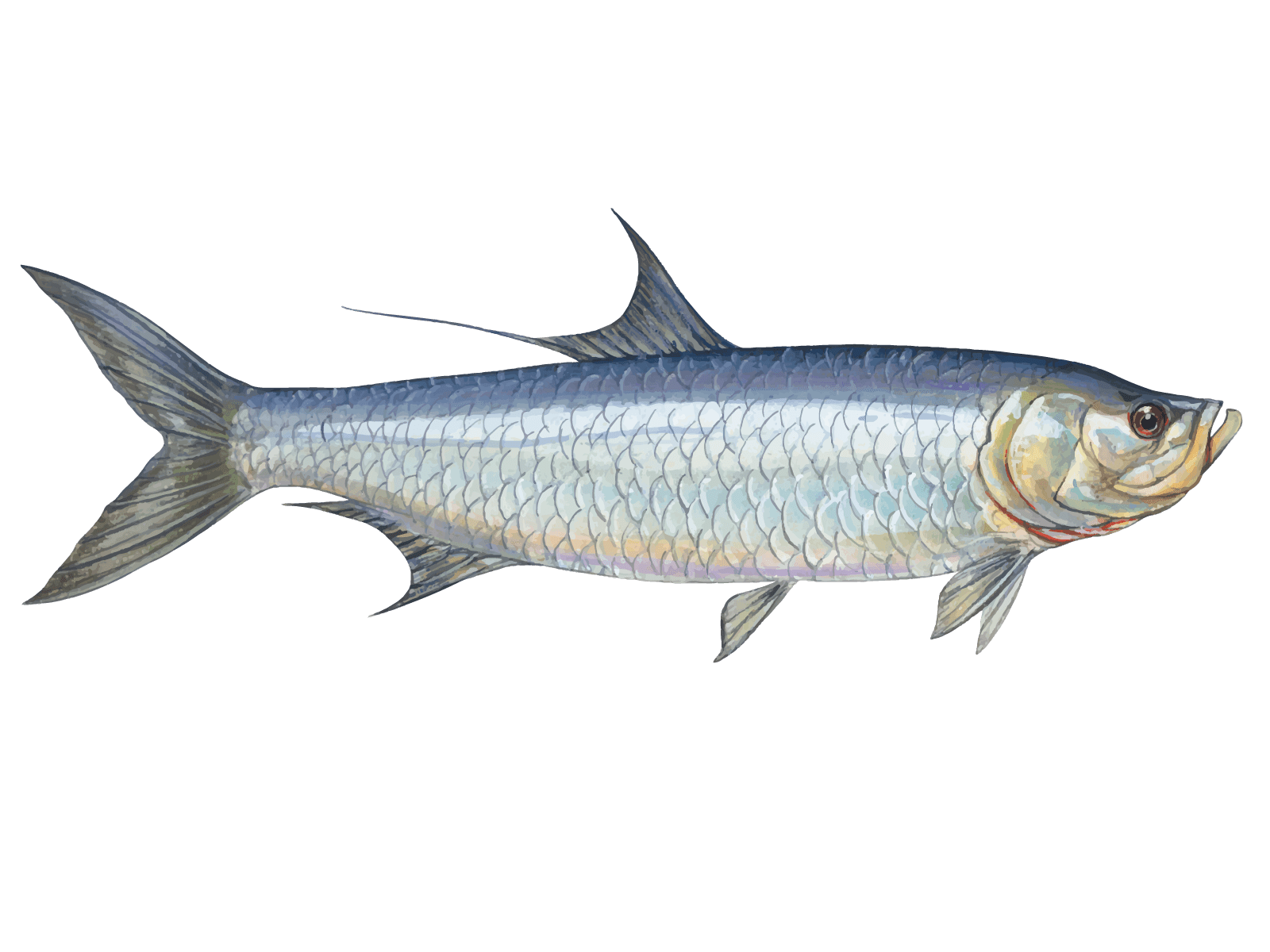
Tarpon
Tarpon are the silver kings of inshore fishing - pure adrenaline on a rod. These prehistoric giants average 80-100 pounds but can hit 200+ pounds and 6 feet long. They patrol shallow flats, channels, and around bridges in 5-30 feet of water. Late spring through summer is peak season when they migrate through our waters. What makes tarpon fishing special isn't the eating (they're bony and rarely kept) - it's watching a 100-pound fish launch 8 feet out of the water. Their jumps and powerful runs create memories that last a lifetime. We target them with live mullet, crabs, or fly tackle for the ultimate challenge. Pro tip: when that tarpon jumps, bow to the fish by pointing your rod tip toward them. This gives slack and prevents the line from snapping during their aerial acrobatics. Keep steady pressure but let them run when they want to.
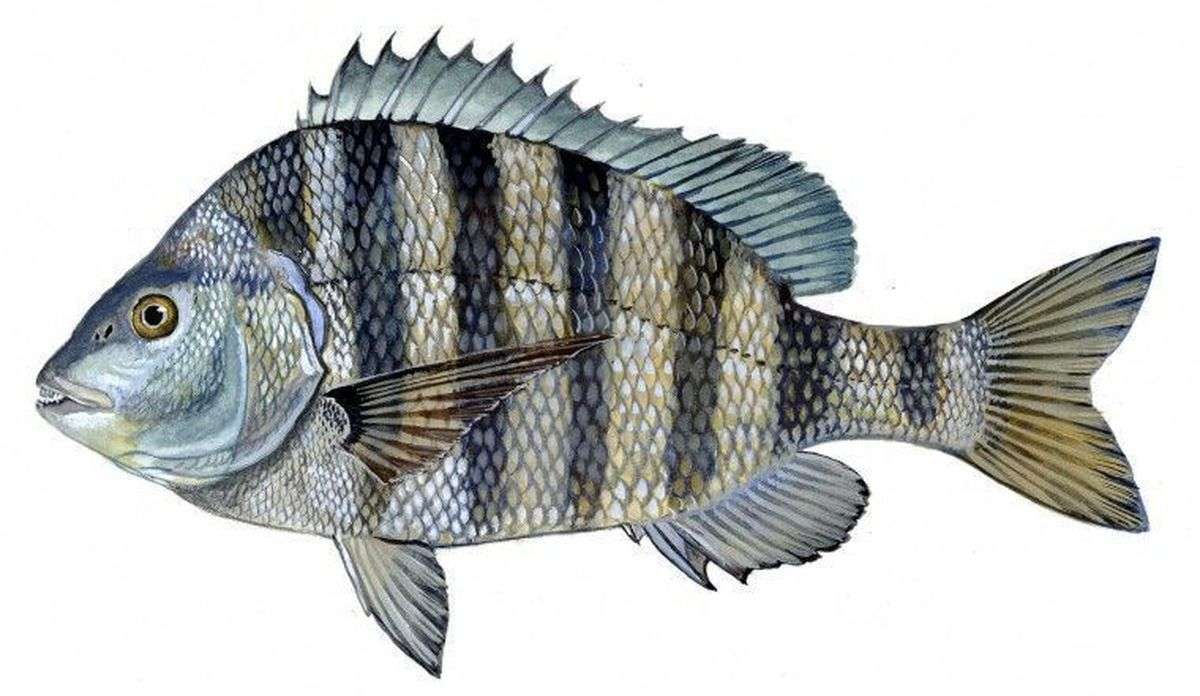
Sheepshead
Sheepshead are the convict fish of our waters - those black and white stripes make them easy to spot. Most run 1-8 pounds and 14-20 inches, but we occasionally hook into 20-pounders that'll really test your skills. They're structure lovers, hanging around docks, bridges, and any barnacle-covered pilings where they feed. Winter through early spring is prime time when they school up for spawning. What guests love about sheepshead is the challenge - they're notorious bait stealers with those human-like teeth, requiring patience and quick reflexes. Plus, they're fantastic eating with sweet, flaky white meat. Here's the key: use small hooks with fresh shrimp or fiddler crabs, keep your bait tight to the structure, and when you feel that subtle nibble, set the hook hard and fast. They'll steal your bait all day if you're not quick.
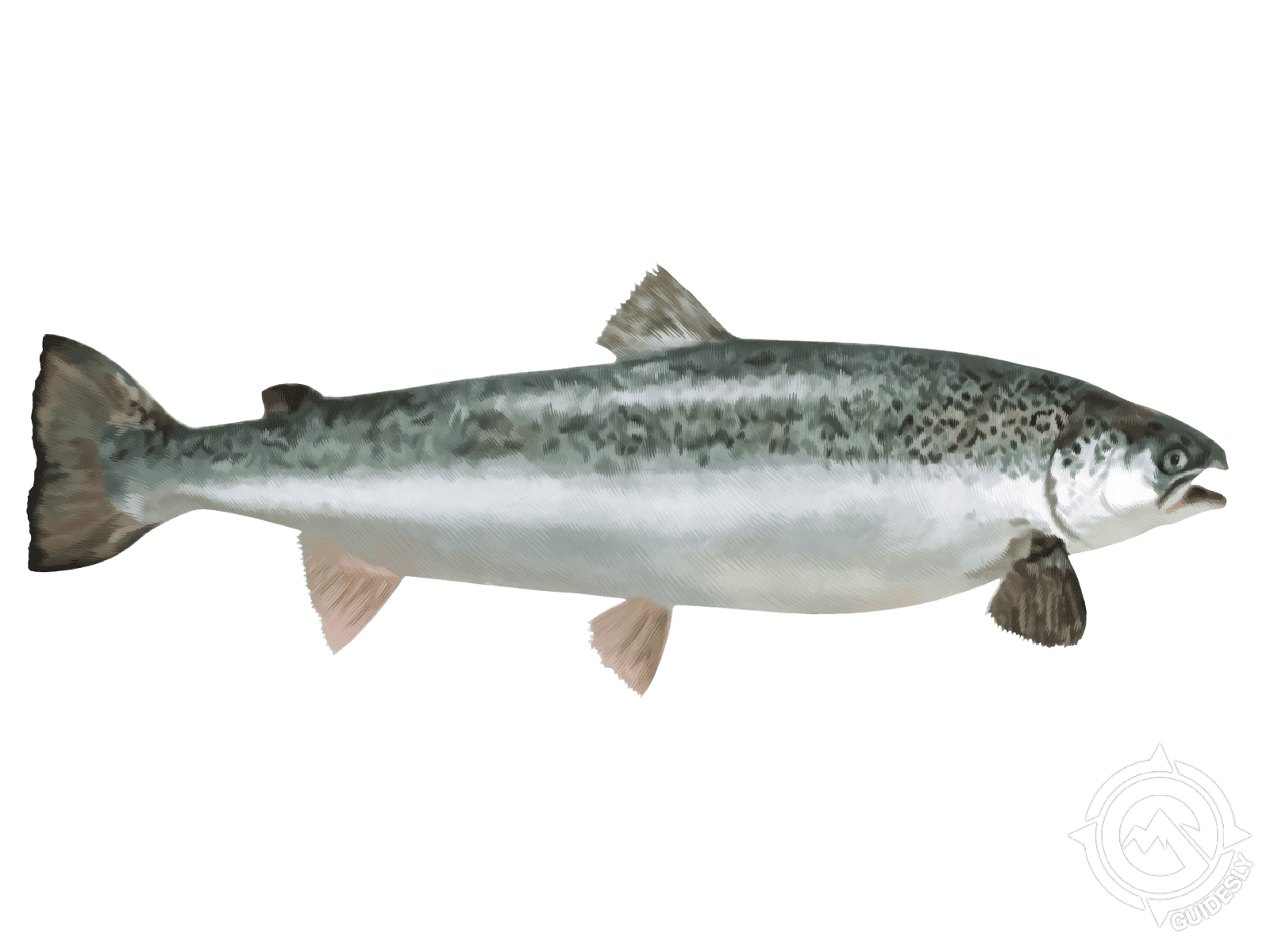
Sea Trout
Spotted sea trout, or "specks," are bread-and-butter fish that consistently deliver action and great table fare. They typically run 14-24 inches and 1-5 pounds, with their silvery bodies covered in distinctive black spots. You'll find them over grass flats, around oyster bars, and in shallow bays - usually in 2-8 feet of water. They bite year-round but really turn on during warmer months, especially at dawn and dusk. What makes trout popular is their willingness to bite and their delicate, flaky white meat that's perfect for the dinner table. They're also great for beginners since they're forgiving fighters. My best advice: work soft plastics like paddle tails or shrimp imitations slowly over the grass. Trout have soft mouths, so keep steady pressure but don't horse them - they'll throw the hook if you're too aggressive with the drag.
Crevalle Jack
Crevalle jacks are the bulldogs of the flats - pure muscle and attitude in a brassy-colored package. These fighters typically run 3-15 pounds and 12-24 inches, though we've caught some real bruisers over 30 pounds. They roam grass flats, sandy bays, and around structure in schools, often pushing baitfish to the surface. Year-round fishing is good, but summer brings the biggest schools. Watch for diving birds - that's your cue that jacks are feeding below. What guests love is the raw power and non-stop fight these fish deliver. They're not great eating, but the battle more than makes up for it. Here's my secret: when you spot a school, cast past them and retrieve fast with silver spoons or swimbaits. Jacks love the chase, so aggressive retrieves trigger strikes. Don't cast directly into the school or you'll spook them.
About the Charley’s Fishing Charters
%2F%2Fusers%2Fc7c40047-ed1c-49b1-87ed-11c0528f7522%2Fvehicle_picture%2Fctboat.jpg&w=1920&q=75)
Vehicle Guest Capacity: 6
Manufacturer Name: Suzuki
Maximum Cruising Speed: 42
Number of Engines: 2
Horsepower per Engine: 150
Ready for a solid 6-hour inshore fishing adventure? This trip puts you right where the action is, targeting snook, snapper, sheepshead, trout, black drum, and whatever else is biting that day. Your captain knows the local waters inside and out and will show you proven techniques that actually work - whether you're just getting started or you've been fishing for years. With space for just one guest, you'll get personalized attention and plenty of chances to learn new skills. Bring your enthusiasm and get ready for a productive day on the water chasing multiple species. The variety keeps things interesting, and the 6-hour window gives you real time to dial in your technique and hopefully fill the cooler. Perfect mix of learning and action that works for any skill level.